
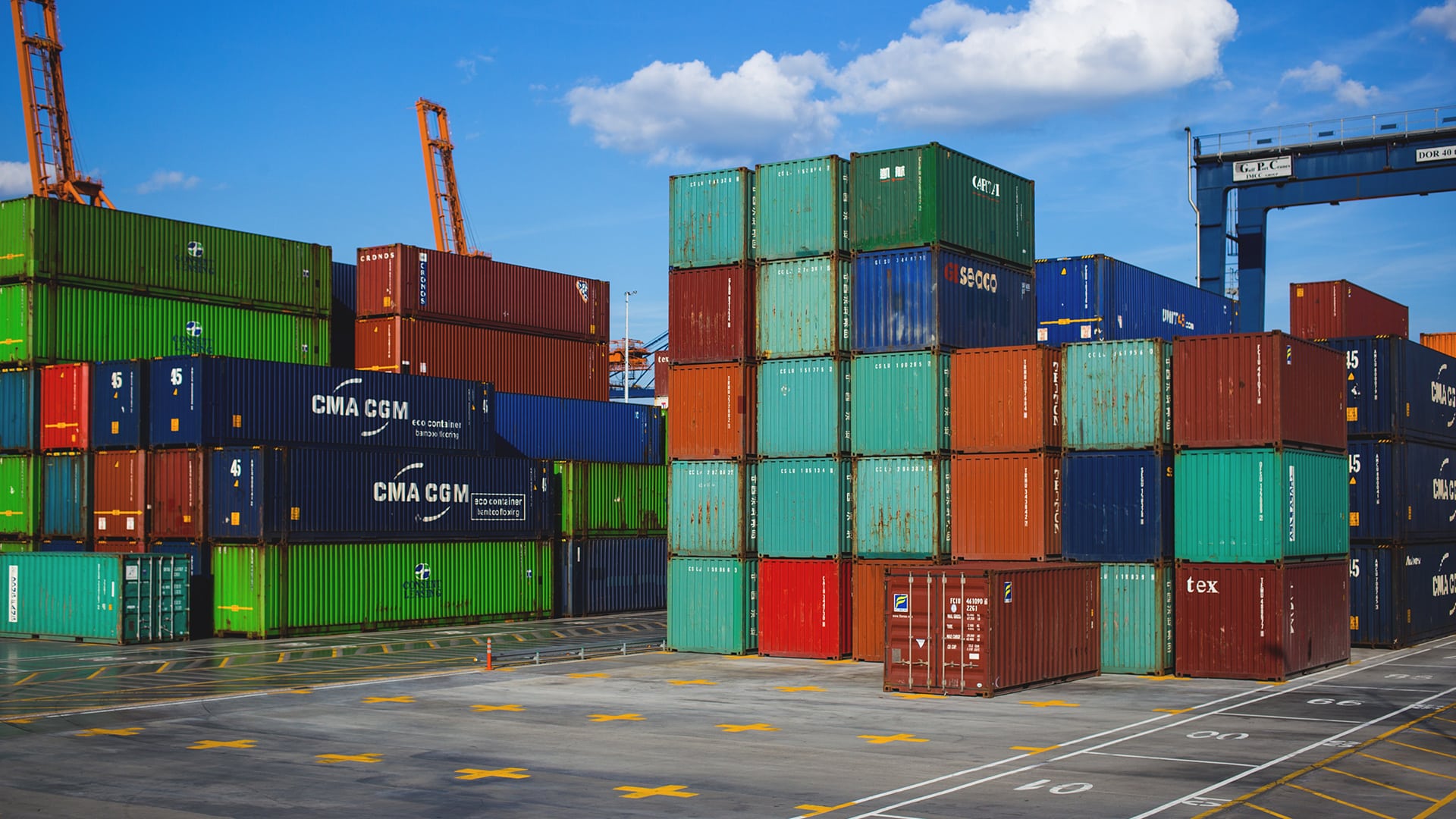
Over the past weeks, tensions and conflict in the Middle East — particularly involving Iran — have started to create ripple effects across global trade. While China is geographically far from the region, the reality is that supply chains are deeply interconnected, and the impact is already being felt.
🚢 1. Shipping Routes Are Under Pressure
Key trade routes such as the Red Sea and Strait of Hormuz are critical for global logistics. Disruptions in these areas are forcing shipping lines to reroute vessels, delay sailings, or apply additional surcharges.
For China–Europe trade, this can mean:
⛽ 2. Rising Energy Costs = Rising Production Costs
Around 20% of global oil flows through the Strait of Hormuz, making it highly sensitive to conflict.
As oil and gas prices increase:
This is something we are already seeing on the ground.
✈️ 3. Air Freight Disruptions
Airspace restrictions over parts of the Middle East are forcing flights to take longer alternative routes, reducing capacity by up to 15–20%.
This leads to:
📊 4. Uncertainty Is the Biggest Risk
Even more than cost increases, the biggest challenge right now is uncertainty.
This creates a difficult environment for planning and forecasting.
💡 What This Means for Importers
From what we are seeing on the ground in China, a few practical actions stand out:
✔ Secure pricing where possible
✔ Plan orders earlier than usual
✔ Build flexibility into your logistics planning
✔ Work closely with suppliers and partners on the ground
📍 Our View from China
At M-asia, we are already seeing:
While the situation is still developing, one thing is clear:
early planning and strong supplier relationships are more important than ever.
Global events like this remind us that supply chains are not just about cost — they are about resilience, visibility, and adaptability.
We will continue to monitor developments closely and share updates as the situation evolves.